From Orchard Origins to Digital Networks: Symbol Journeys in Modern Portable Jackpot Games
Otto Richter · Sep 22, 2026
From Orchard Origins to Digital Networks: Symbol Journeys in Modern Portable Jackpot Games
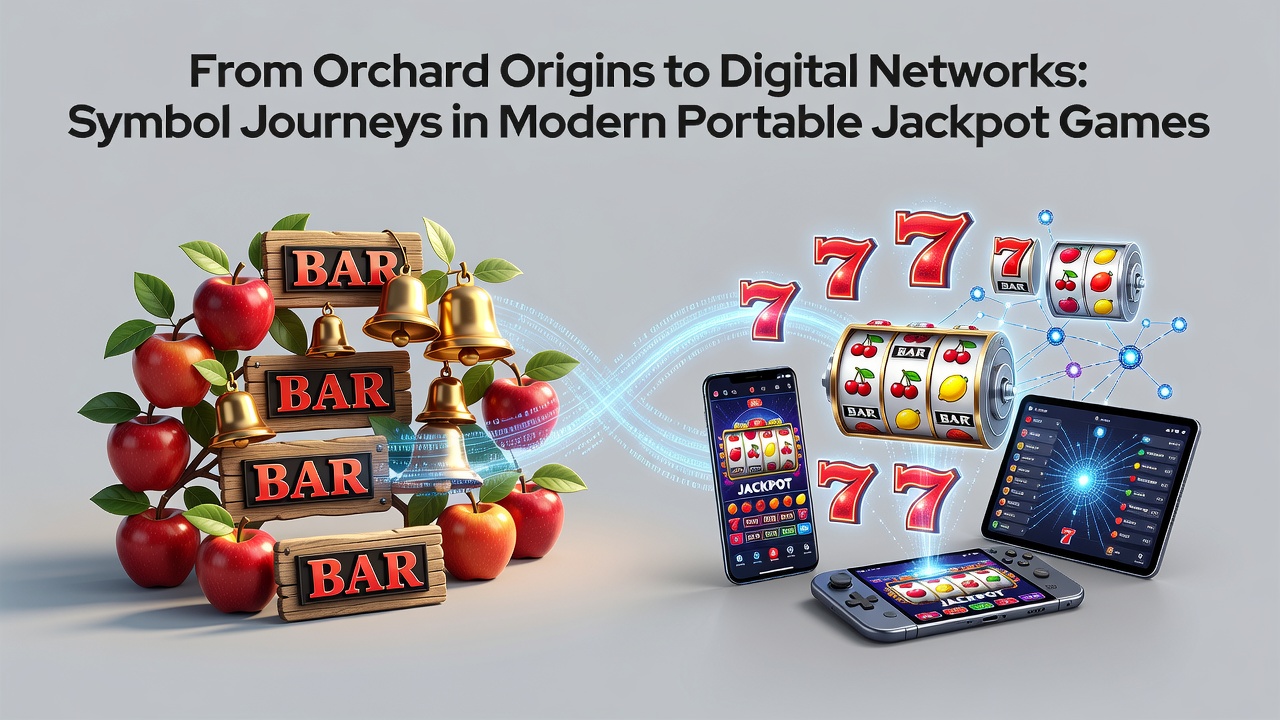
Slot symbols trace their lineage back to the mechanical reels of the late 19th century, where orchard fruits such as cherries, lemons, and plums served as the primary visual markers on three-reel machines. Those early designs drew from everyday produce because manufacturers sought familiar imagery that players could recognize at a glance while the reels spun. Data from historical gaming archives shows that these fruit icons persisted through the transition to electromechanical devices in the 1960s, where they continued to anchor player expectations even as payout tables grew more complex.
Early Symbol Sets and Their Lasting Structure
Manufacturers standardized the fruit-and-bar motif because it allowed straightforward mapping to fixed payout ratios, and the same symbols carried forward into the first video slots introduced in the 1970s. Observers note that the limited palette of seven or eight icons kept memory requirements low for early digital processors, yet the visual language remained rooted in the original orchard theme. When progressive jackpot systems emerged in teh 1980s, those same fruit symbols became the triggers for linked machines across casino floors, creating the first networked prize pools that foreshadowed today’s mobile formats.
By the mid-1990s, video lottery terminals and early online platforms began layering additional iconography onto the classic set, but the core fruit symbols retained their role as base-game anchors. Figures from the New Jersey Division of Gaming Enforcement indicate that fruit-themed progressives accounted for a measurable share of handle in Atlantic City properties through the early 2000s, demonstrating the durability of the original symbol vocabulary even after regulatory changes opened new markets.
Migration to Portable Platforms
Smartphone adoption accelerated the shift of these symbols into app-based environments after 2010. Developers preserved the visual identity of cherries and sevens while adapting reel geometry to touch interfaces and variable screen sizes. Research from the Alcohol and Gaming Commission of Ontario shows that mobile slot sessions in the province grew steadily between 2015 and 2020, with fruit-symbol titles maintaining higher retention rates than newer thematic releases during that period. The portability of these games allowed players to access accumulating jackpot pools from handheld devices, extending the reach of prize networks that once required physical casino attendance.
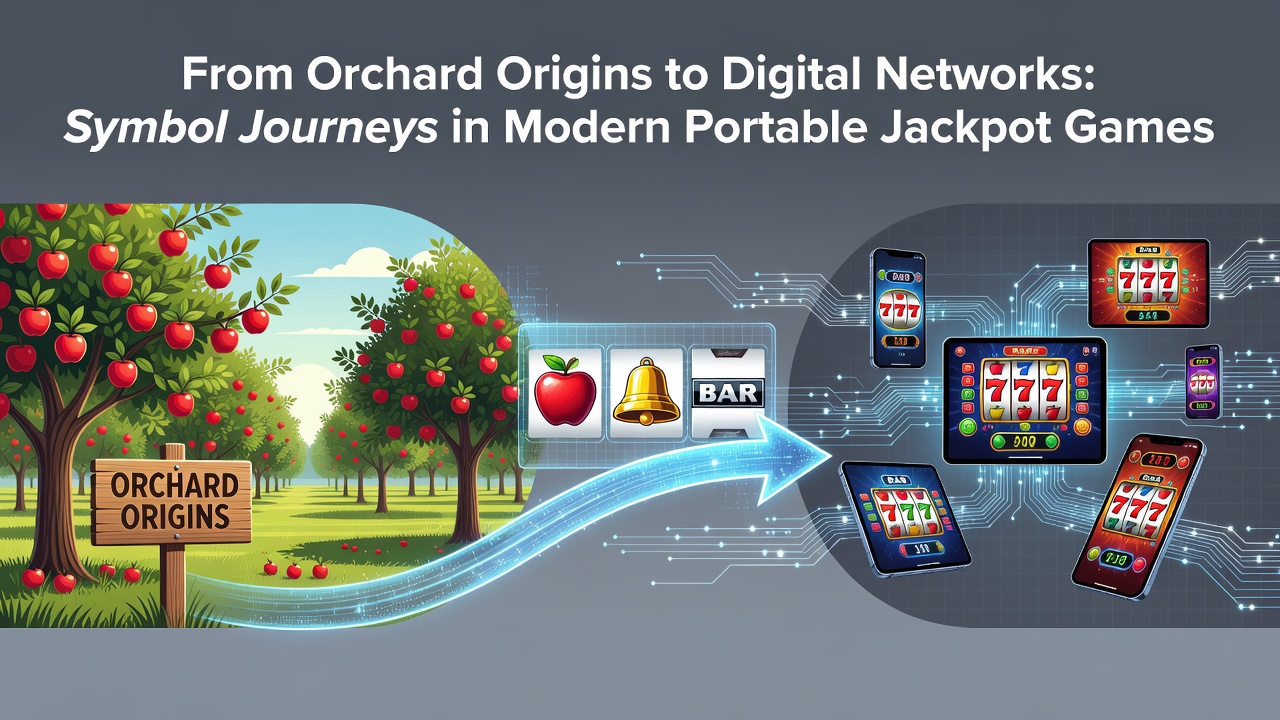
Modern implementations connect individual devices through centralized servers that track contributions to multi-tiered jackpots. Each spin on a portable progressive updates a shared meter visible across thousands of sessions, and the fruit symbols continue to function as both line payers and bonus triggers within the same reel strip. Engineers have added animation layers that cause cherries to glow or lemons to pulse when they land in winning combinations, yet the underlying symbol hierarchy remains traceable to the mechanical originals. In September 2026, several providers reported that mobile fruit-progressive titles continued to generate significant portions of overall GGR in regulated markets, underscoring the sustained commercial value of the inherited icon set.
Network Architecture and Symbol Mapping
Current jackpot systems rely on distributed databases that record every eligible bet across jurisdictions. When a qualifying combination of legacy symbols appears, the system allocates the prize according to contribution percentages that reflect each player’s stake relative to the total pool. This architecture preserves the original payout logic while scaling it across wireless connections. Those who have examined the codebases of leading providers observe that reel strips still allocate higher probabilities to lower-tier fruit icons, maintaining the mathematical balance established decades earlier even as the games operate on tablets and phones.
Layered bonus features now attach additional value to the classic symbols. A cherry that once paid a fixed number of credits may now open a mini-game that feeds into a secondary progressive meter. The transition keeps the visual continuity intact while expanding the reward pathways available on portable hardware. Data aggregated by academic researchers at the University of Nevada, Las Vegas, indicates that symbol-transition patterns in handheld progressives follow predictable ratios, with fruit icons appearing at frequencies that mirror their historical distribution on mechanical reels.
Conclusion
The movement of orchard-derived symbols into digital networks demonstrates how a limited visual vocabulary can scale across technological generations without losing its core identity. Portable jackpot formats inherit both the imagery and the structural logic of earlier machines, then extend them through server-based prize pooling that operates across jurisdictions and devices. Evidence from regulatory filings and academic analyses confirms that these symbols continue to drive engagement in September 2026, linking the mechanical past to the wireless present through consistent mapping and expanding network participation.