Transformations in Prize Distribution Mechanisms Amid Integration of Legacy Reels and Multi-Tiered Bonuses in Mobile Gaming Apps
Otto Richter · Oct 6, 2026
Transformations in Prize Distribution Mechanisms Amid Integration of Legacy Reels and Multi-Tiered Bonuses in Mobile Gaming Apps
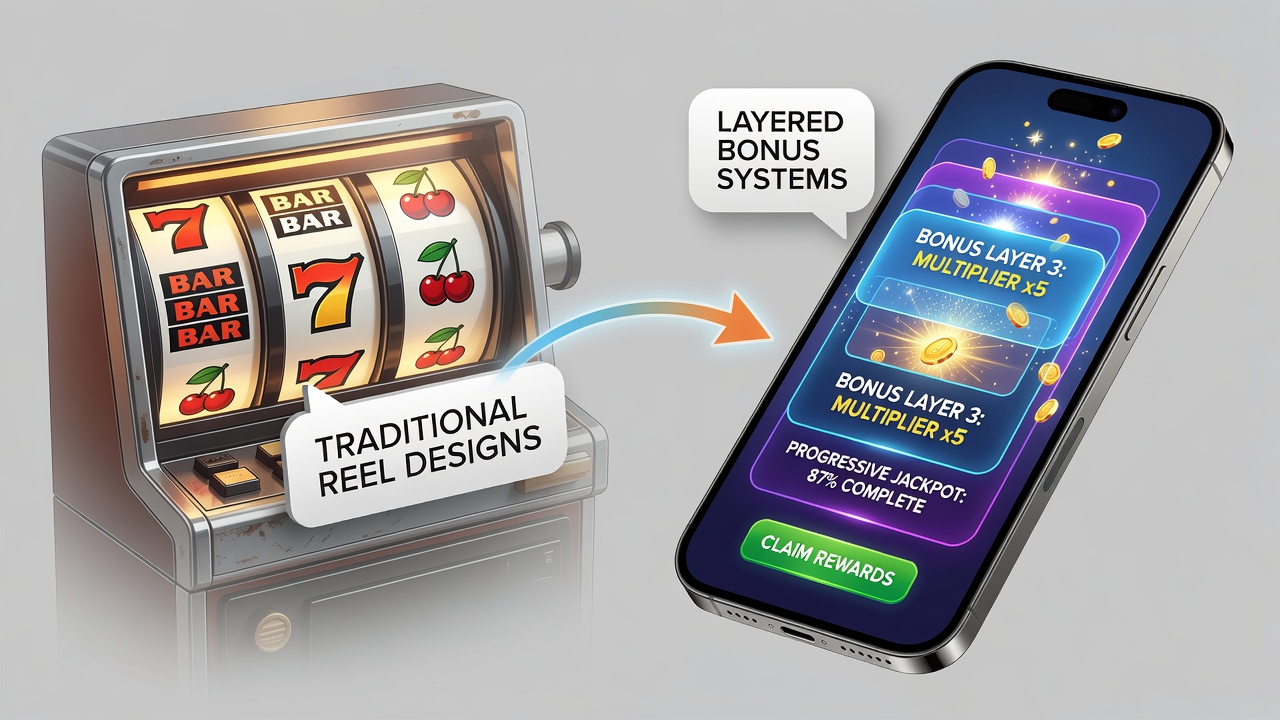
Traditional reel designs in slot applications continue to evolve as developers incorporate layered bonus systems that operate across multiple stages on smartphone platforms, and data from industry reports shows measurable changes in how rewards flow through these combined structures. Observers note that classic three-reel or five-reel layouts now interact with accumulating prize pools, hold-and-win features, and progressive tiers that activate at different intervals during play sessions. Research indicates these integrations shift reward allocation away from uniform single-spin outcomes toward sequences where base game hits feed into secondary and tertiary layers that distribute larger portions of the overall return.
According to figures released by the American Gaming Association, mobile slot revenue in the United States reached record levels through the first three quarters of 2026, with a notable portion attributed to titles that combine vintage symbols with multi-stage bonus mechanics. Those who've examined player session data find that reward distribution patterns change because layered systems often withhold larger percentages of the theoretical return for completion across several rounds rather than delivering them on individual spins. This creates extended cycles where early small wins contribute to eligibility for later tiers, altering the frequency and size of payouts compared with standalone reel games.
Mechanics of Layer Integration and Their Effect on Payout Timing
Developers merge legacy reel sets with bonus layers by mapping classic symbols such as fruits, bars, and sevens onto collection meters that feed separate prize ladders. One study from the University of Nevada, Las Vegas gaming research center examined session logs from several hundred mobile titles and discovered that the average interval between significant rewards lengthens when bonus layers require multiple triggers before releasing accumulated value. Yet the total return to player percentage remains consistent with regulatory standards set by state gaming boards because the layers simply redistribute the same mathematical expectation across more steps.
Smartphone interfaces allow these layers to appear as overlaid progress bars or separate screens that players access after base game events, and this visual separation influences how reward timing registers with users. Data collected by the Canadian Gaming Association through 2026 shows that games employing three or more stacked bonus stages produce payout histograms with heavier tails at both the low and high ends, meaning more frequent micro-rewards alongside occasional large releases that clear multiple tiers at once. The pattern emerges because each layer draws from a shared pool that builds only when base reel outcomes meet specific conditions.
Regional Regulatory Data and Observed Trends Through October 2026
State regulators in New Jersey and Pennsylvania track mobile gaming metrics monthly, and their September 2026 reports highlighted increased activity in titles that blend traditional reels with progressive bonus networks. Those reports documented a rise in average bet sizes during bonus accumulation phases, suggesting players adjust strategies when they perceive value building across layers. Similar patterns appear in Australian market data released by the Northern Territory Racing Commission, where handheld progressive formats showed reward concentration shifting toward the final stages of multi-tier events rather than spreading evenly across all spins.
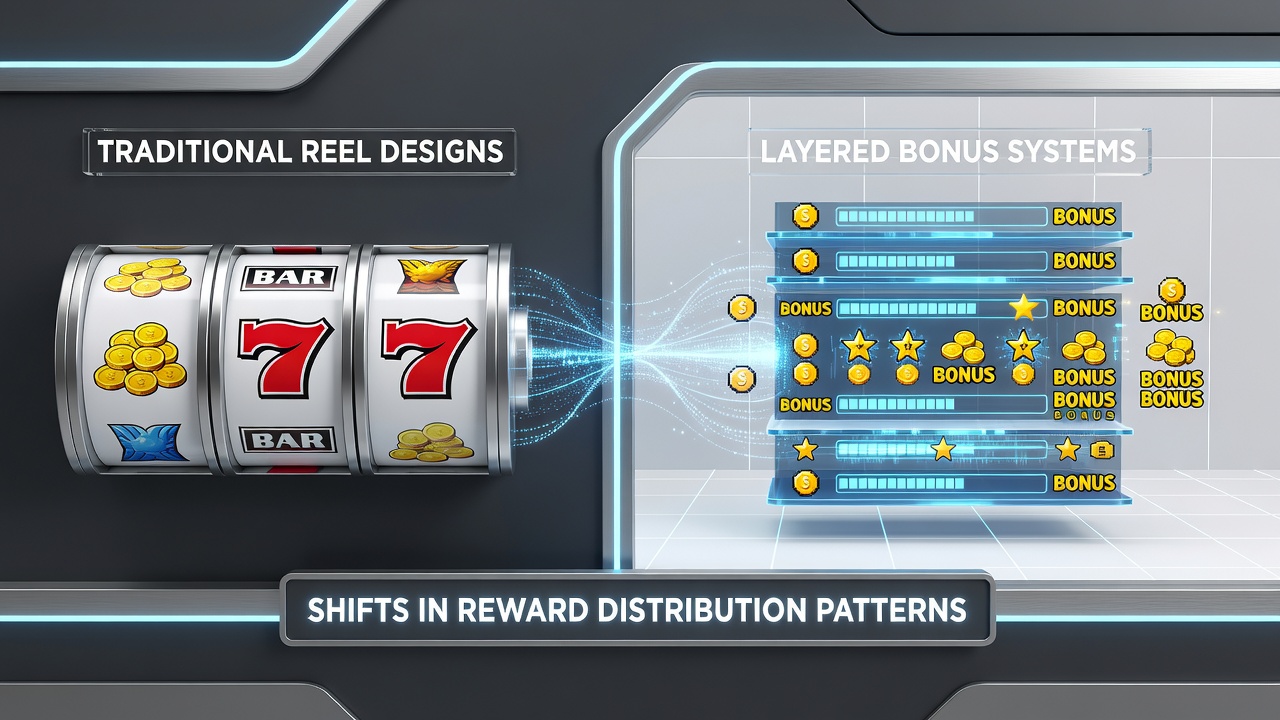
What's interesting is how symbol transition mechanics adapt when vintage icons trigger modern bonus stages. Legacy wilds and scatters now often serve dual roles, advancing both the base reel combination and a separate collection counter that unlocks the next reward stratum. Observers tracking European markets through the Malta Gaming Authority have recorded comparable shifts, with data indicating that games using this dual-function approach maintain stable overall return rates while changing the distribution curve of individual player outcomes over hundreds of spins.
Case Examples from Recent Provider Implementations
Several providers released titles in mid-2026 that place classic fruit symbols alongside tiered hold-and-win grids, and session analytics from these releases reveal consistent redistribution effects. Take one example where base game three-of-a-kind combinations fill a meter that then activates a secondary reel set for additional prize draws. The combined system moves a measurable percentage of expected value from immediate base hits into the layered events, according to internal testing summaries shared with regulatory bodies. This approach keeps the visual familiarity of older reel designs while routing larger portions of the prize pool through the bonus stages.
Another implementation links vintage bar symbols to a progressive ladder that spans multiple game sessions on the same device, and tracking data shows reward events clustering around the completion of the uppermost tier. Industry analysts at the European Gaming and Betting Association noted in their October 2026 overview that such cross-session accumulation changes the short-term variance profile for players who engage with these titles over extended periods. The effect remains confined to the distribution schedule rather than altering the underlying mathematics approved by licensing authorities.
Conclusion
Integration of traditional reel designs with layered bonus systems on smartphone platforms produces documented changes in reward timing and concentration without modifying approved return percentages. Data from multiple regulatory regions and research institutions confirms that prize pools move through additional stages, creating new patterns of small and large releases that differ from standalone reel formats. Providers continue to refine these hybrid structures as mobile platforms support more complex visual and mechanical layers, and ongoing reports from gaming authorities will track how these shifts evolve in the coming months.